
Compliance Information
Which standards apply in each destination market, what documentation ships with an order, and what is confirmed per model rather than claimed across the range.
Europe and the United States do not accept each other's tests
If you sell the same model on both sides of the Atlantic, it is tested twice. We design to the stricter of the two from the start, so the second report is a formality rather than a redesign.
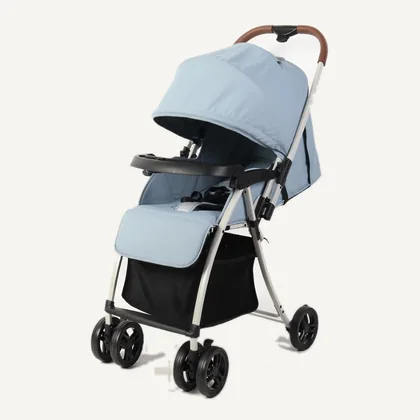
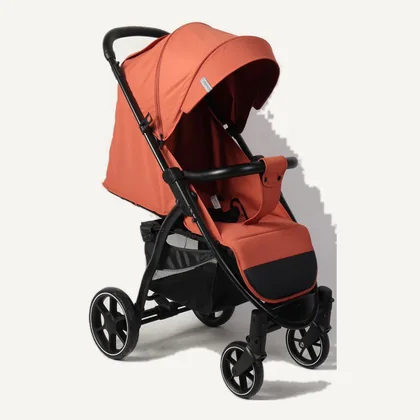
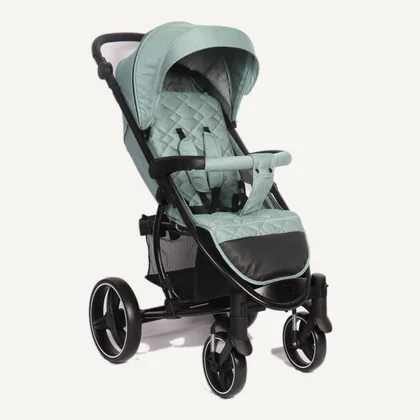
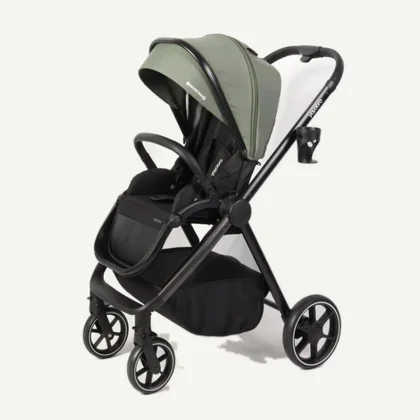
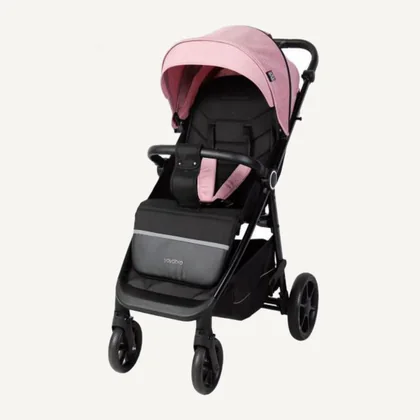
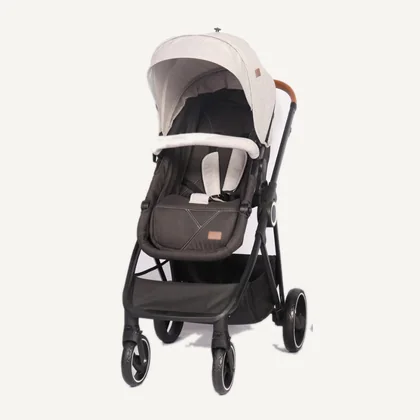
Pushchairs & prams
child up to 15 kg
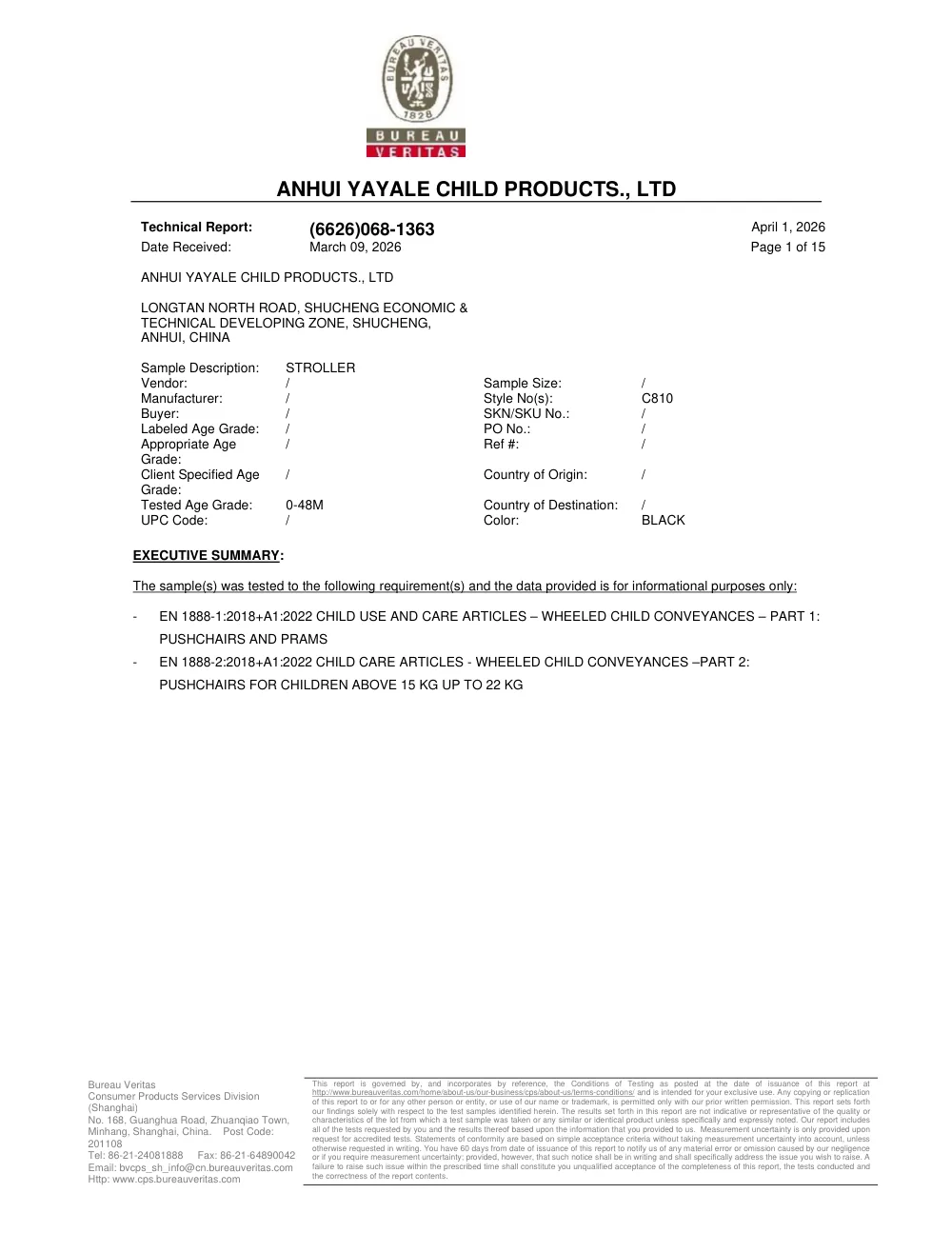
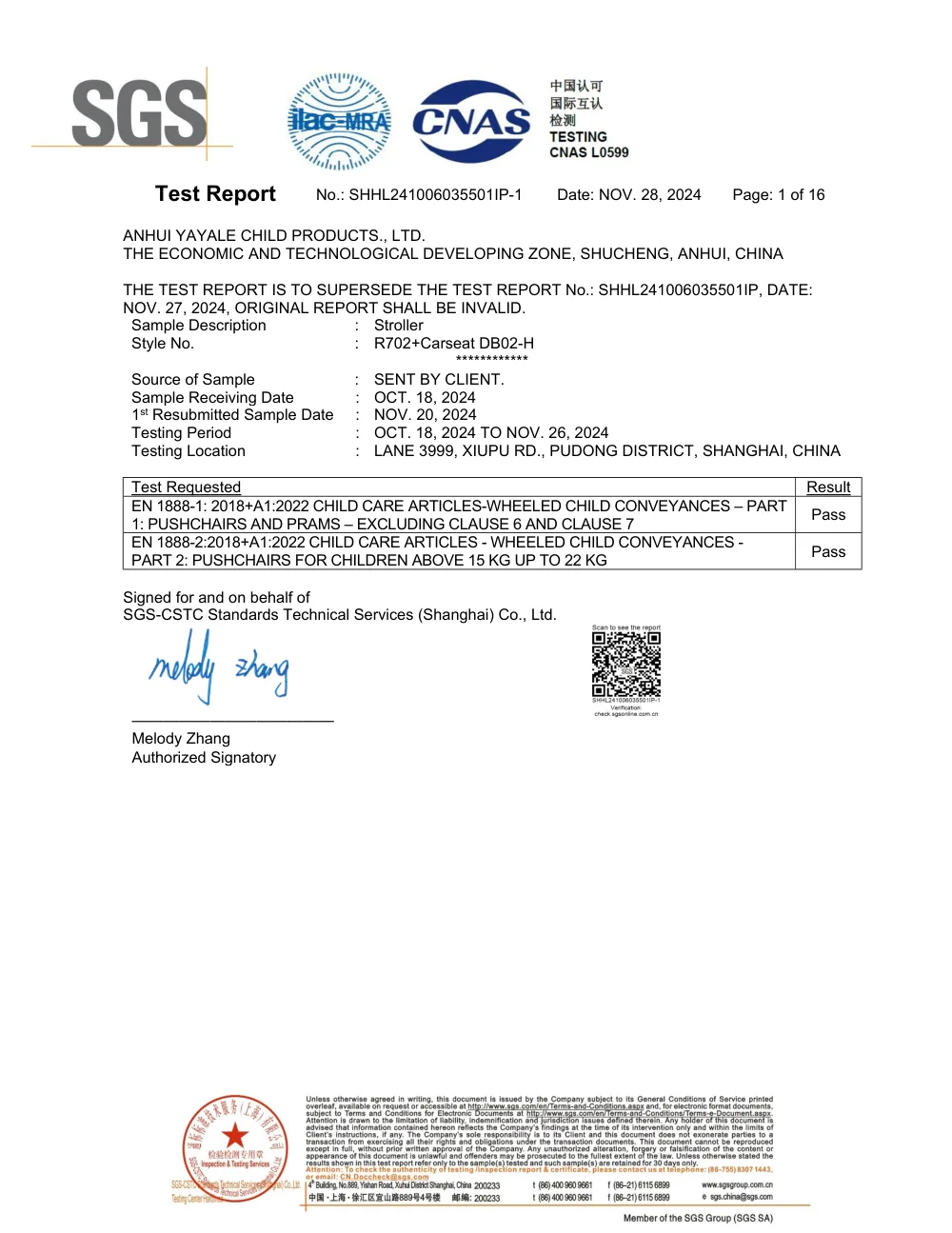
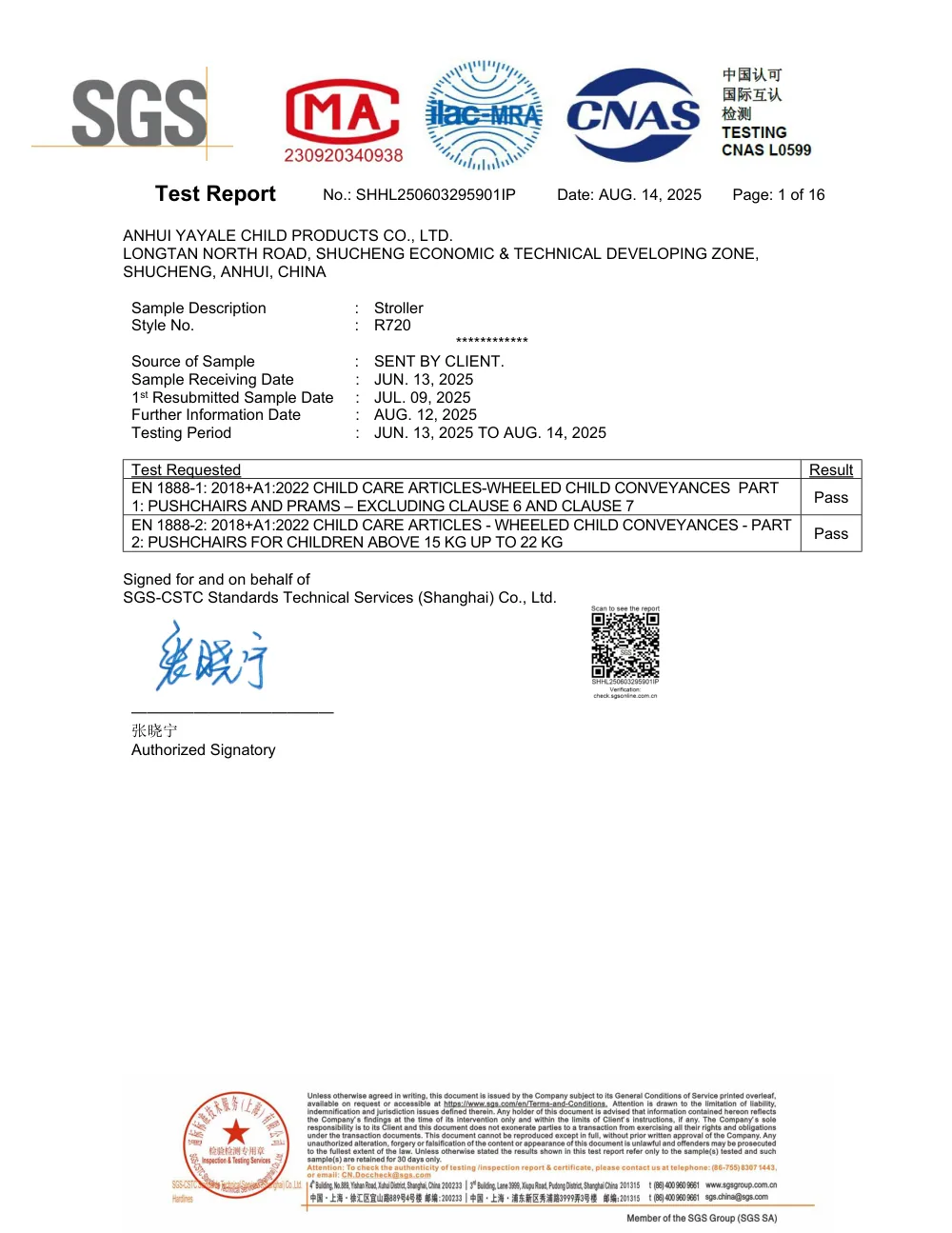
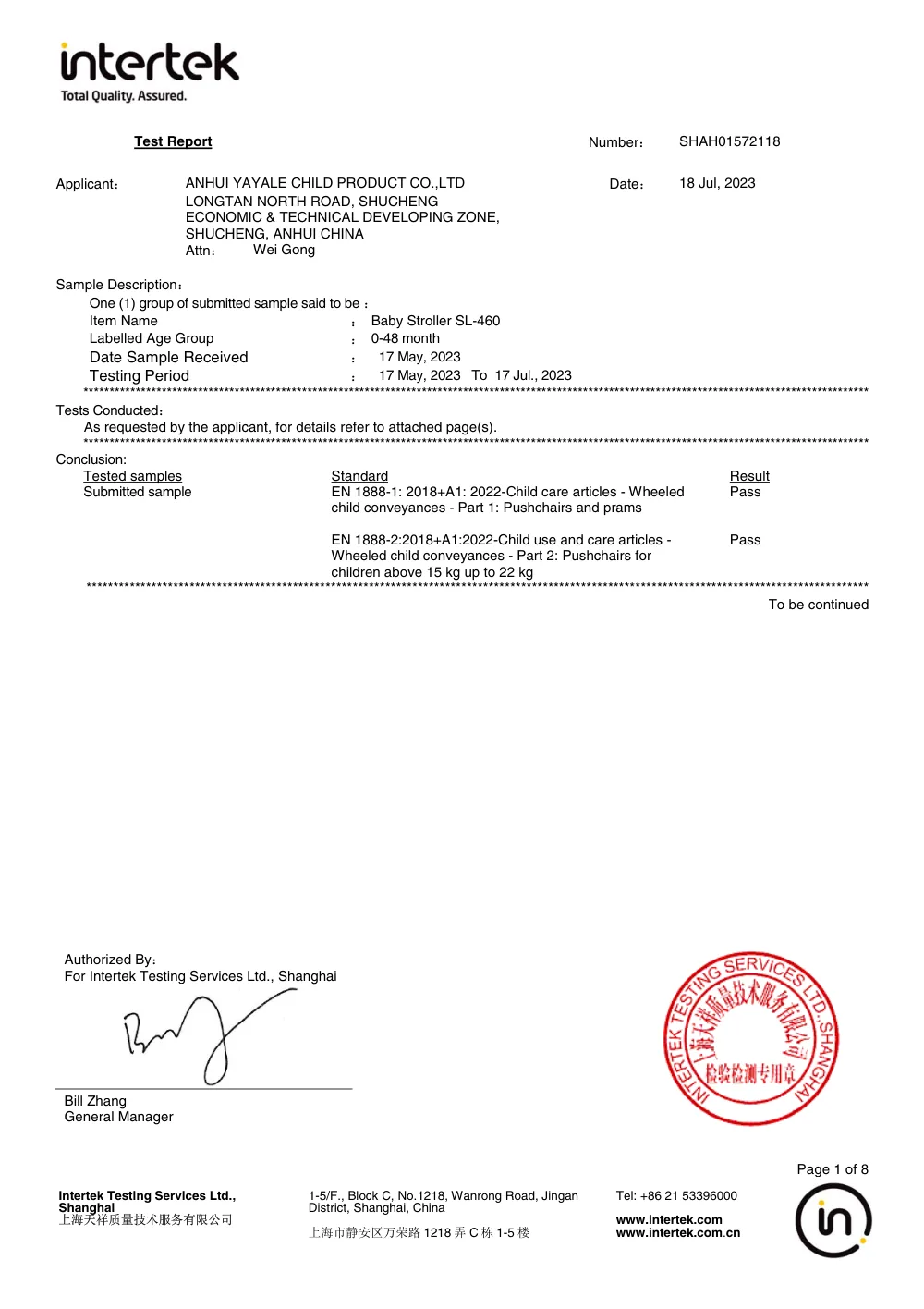
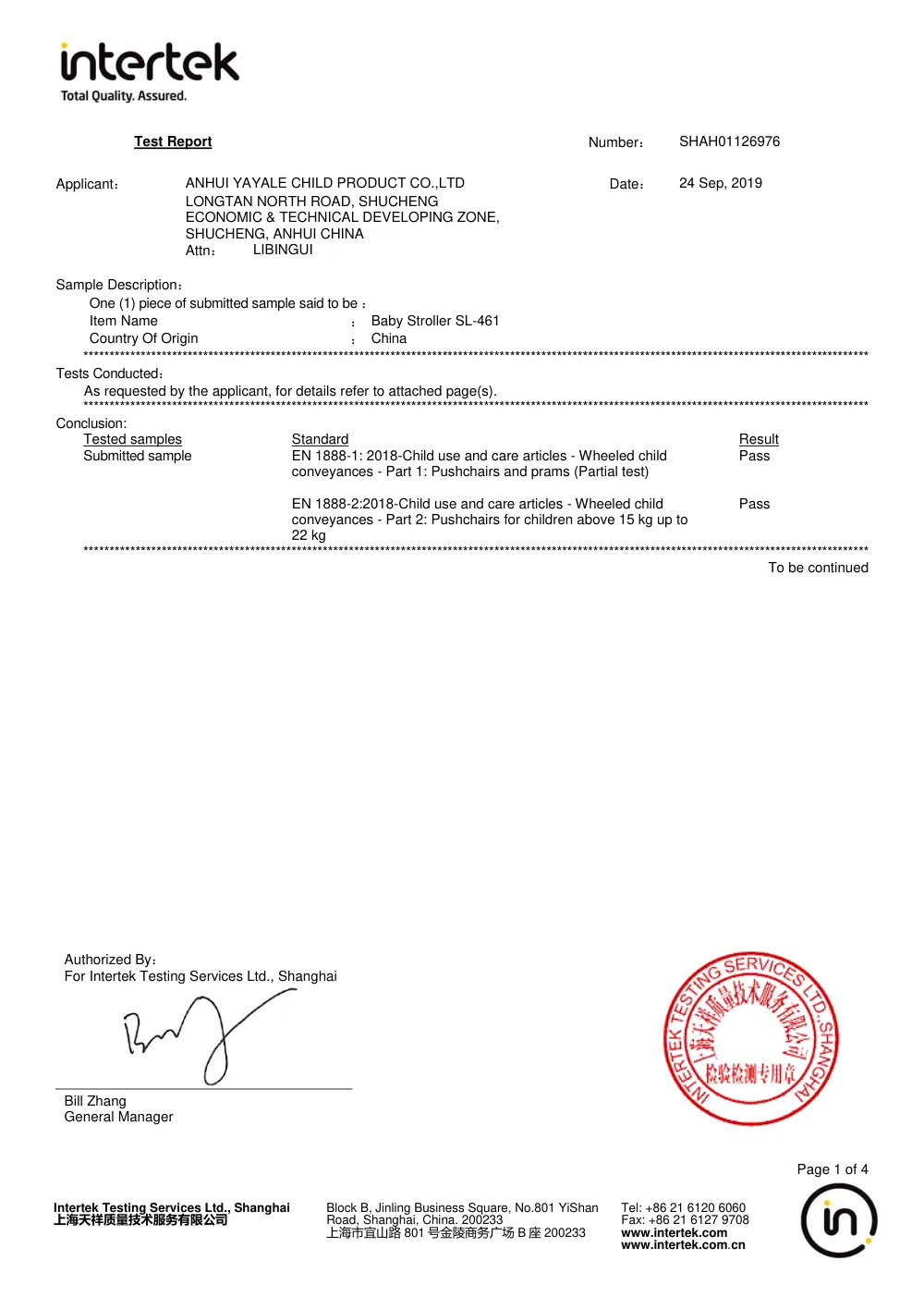
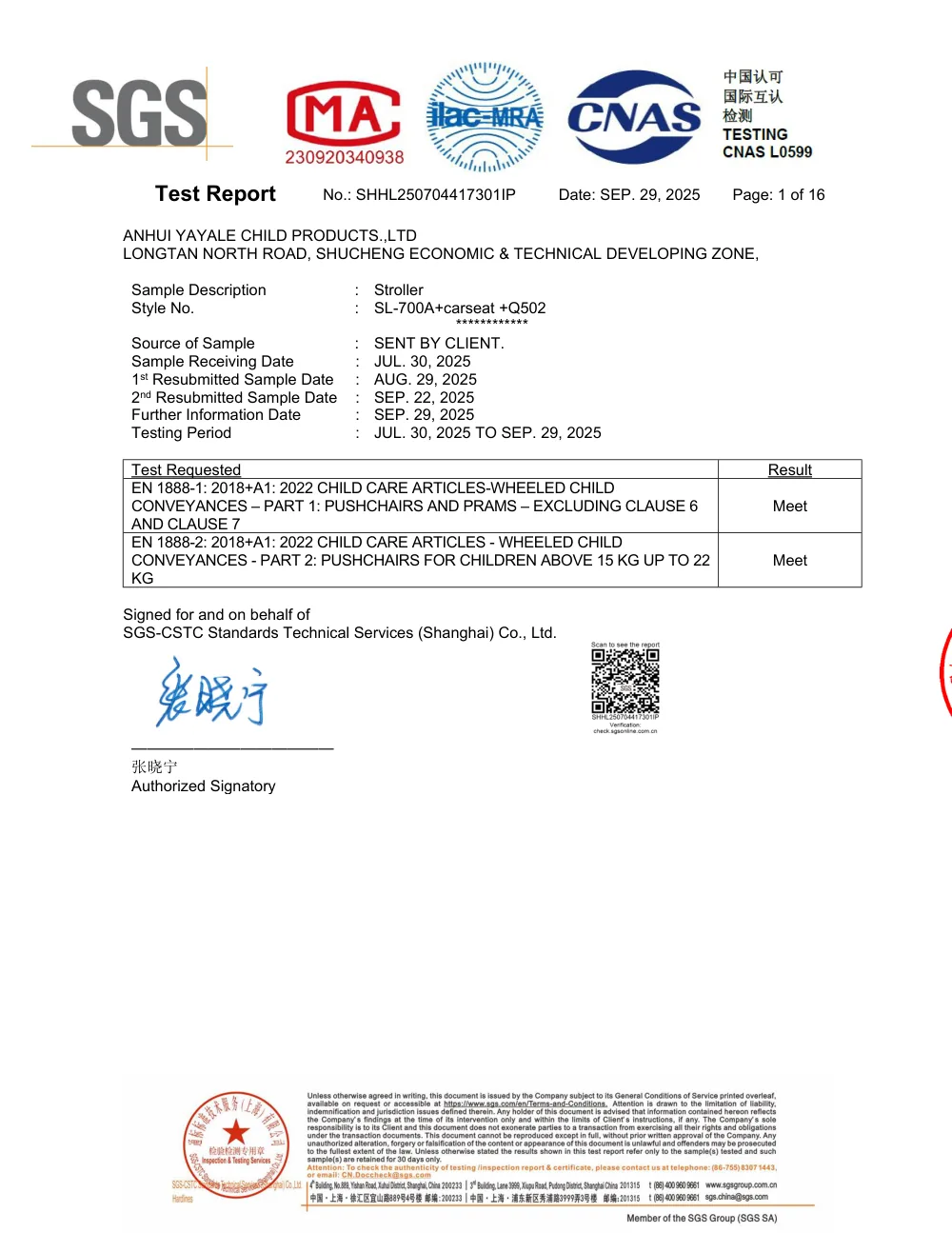
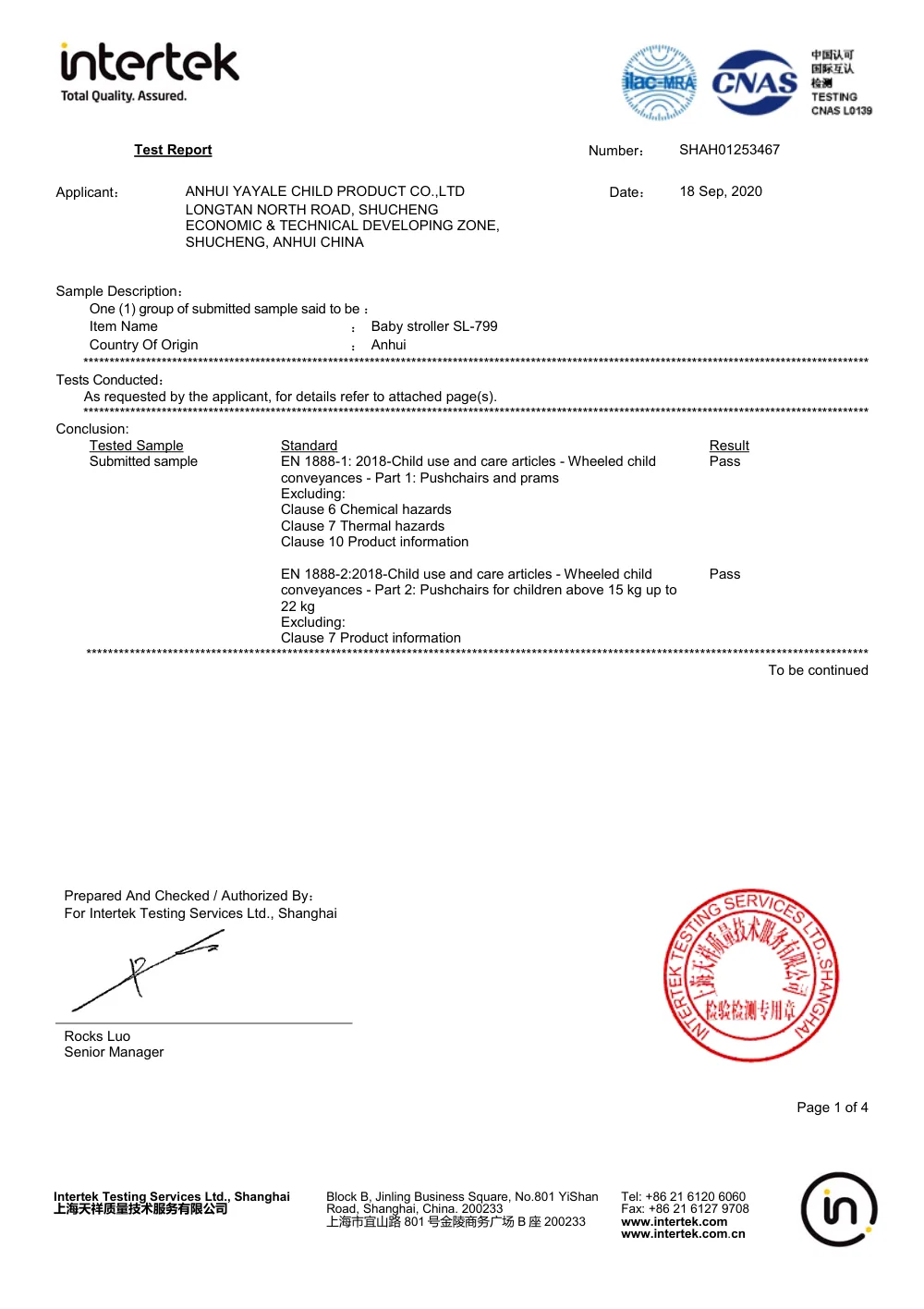
EN 1888-1:2018+A1:2022
Stability, brakes, harness, entrapment, chemical
ASTM F833-21
Mandatory under 16 CFR 1227
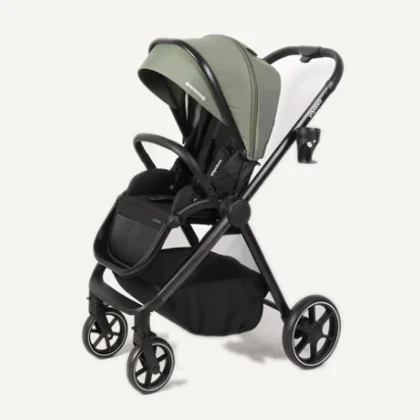
Pushchairs
child up to 22 kg
EN 1888-2
The part most toddler models need
ASTM F833-21
One standard covers both weight bands
Carrycots
EN 1466
Handles, mattress, ventilation
16 CFR 1221
Play yards / bassinets as applicable
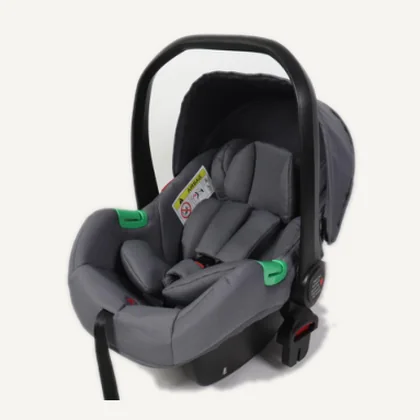
Child car seats
ECE R129 (i-Size)
Type approval required, not self-declared
FMVSS 213
NHTSA regime, separate tooling
Baby carriers
EN 13209-2
Soft carriers, hip seats
ASTM F2236
Sling carriers under ASTM F2907
Materials & chemicals
REACH · SVHC · POPs
Declaration per material lot
CPSIA · CA Prop 65
Lead, phthalates, warning labels
Market entry
GPSR (EU) 2023/988
Technical file + EU responsible person
CPC certificate
Issued on a CPSC-accepted lab report
Standards are revised periodically and this table is maintained as a buyer's orientation, not legal advice. The version applied to your order is named in the contract and on the test report.